
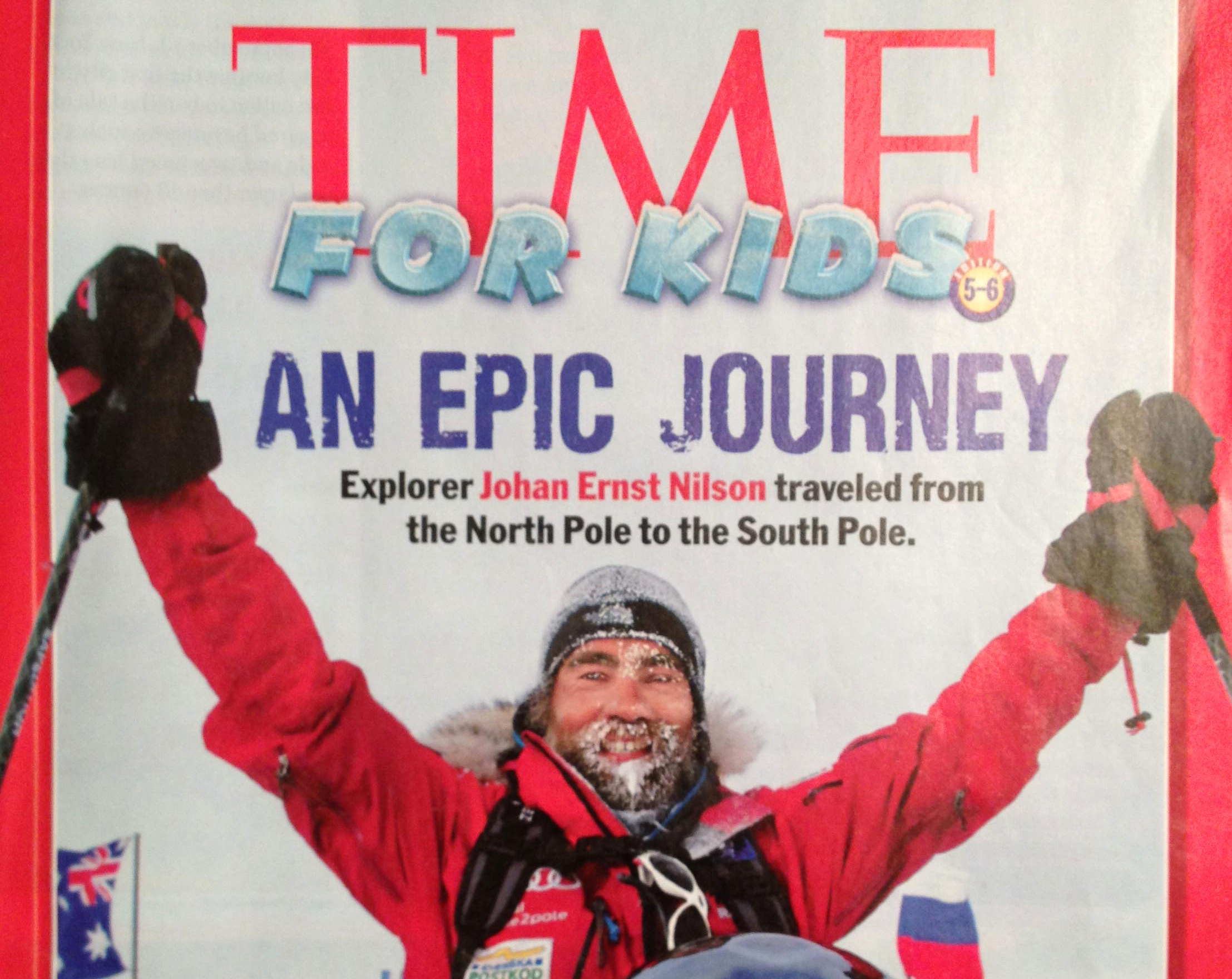
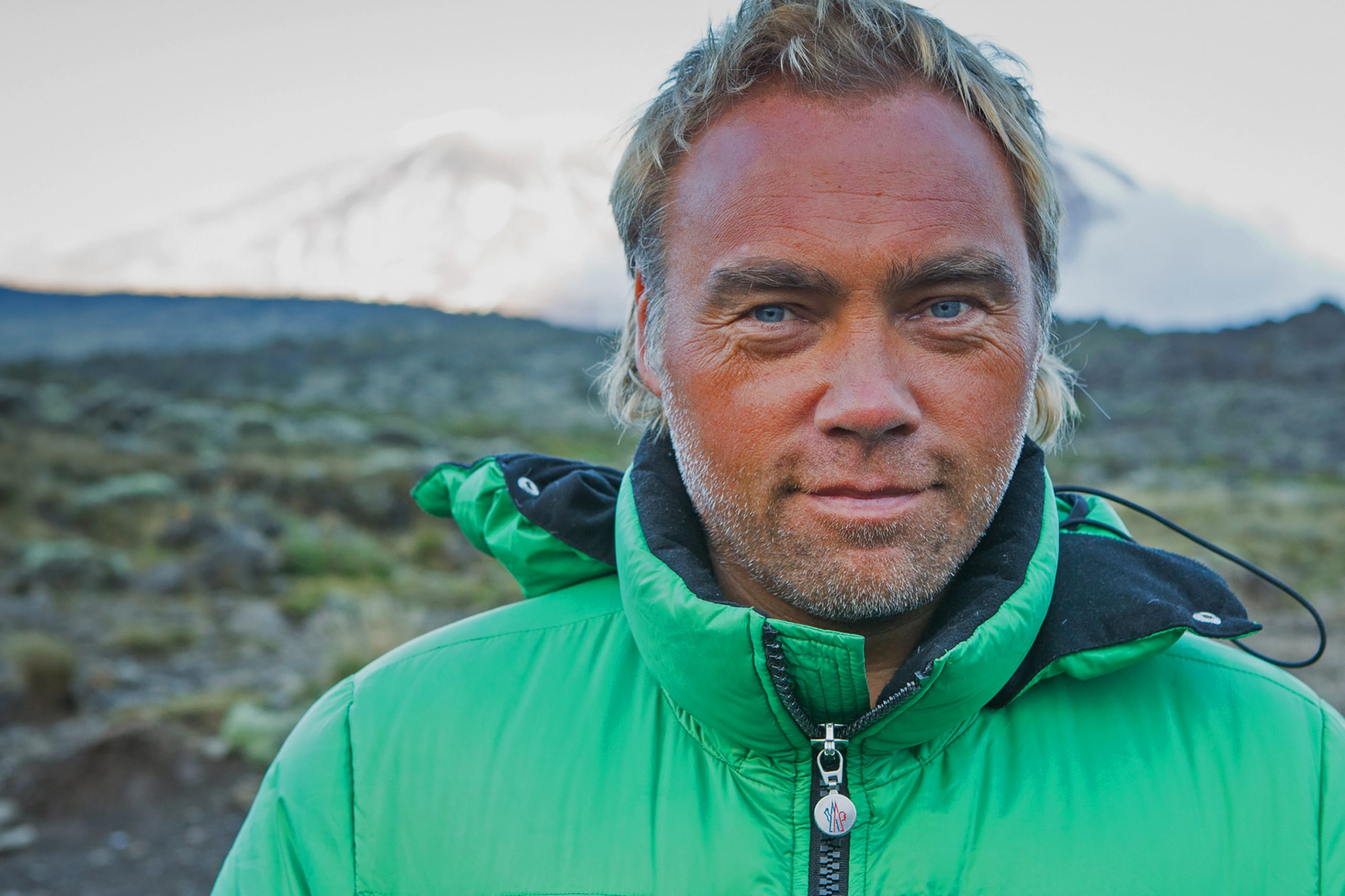

Mt Everest is not only the highest mountain in the world, at 8,848 metres (29,029 ft), but it’s also one of the most dangerous places on Earth. In 2007, Johan Ernst Nilson stood on the summit of the world, and once again, Johan realized that the Impossible can be made Possible! The most difficult tasks in life can be achieved with a strong focus and belief in yourself.


But a climb on Mount Everest is never a solo climb; no matter what people say, You must rely on your team. Most climbers on Mount Everest are part of a big group and have huge support in terms of security and support climbers.


Johan Ernst Nilson decided to climb Mt Everest with only one climber, Sherpa. On Mt Shishapangma, they didn’t have any climbing sherpas at all, but this time, Johan decided to have one to support him and take the photos. The reason was not to do an extraordinary climb or to do it better in any way. To Johan, the most important reason was to make his own decisions and climb according to the native rules on the mountain. Besides Johan’s friend and partner in Base Camp, Carl Robert, Johan did not climb with other climbers, western guides, or teams.


Together with the Norwegian team, Johan Ernst Nilson made the first summit climb of the season from Nepal. The fact that they were first to the summit, the snow was deep and the terrain hard to get through. The summit climb took 54 hours from Base Camp to the summit and back.


The Death Zone
The death zone was the hardest part of Johan’s climb. This is a term for altitudes above 8,000m (26,000 ft) or less than 356 millibars (5.16 psi) of atmospheric pressure where the oxygen level is insufficient to sustain human life.
Mount Everest is a non-real environment. Around 11,000 climbers (7700 non-native) have attempted Everest, but only 2972 have reached the summit (a success rate of 29.44%). Over 200 people have died on the mountain (5 during Johan’s climb), and due to the difficulties and dangers in bringing bodies down, most of those who die on the mountain remain where they fall, although some are moved by winds and ice.


President for Everest Summiteers Association
In 2007, Johan Ernst Nilson became President of ESA, an organization focusing on safety in the Himalayan mountains. In 2011, Johan Ernst, together with Himalayan veteran Tommy Gustafsson and Wongchu Sherpa, was involved in the Saving Everest Project that brought down a total of 8,110 kilos of garbage collected from the mountain and its trekking trails. The Joint Secretary of the Ministry of Tourism and Civil Aviation of the Government of Nepal praised and congratulated the team on successfully collecting over 8 tons of refuse from the mountains in the Himalayas.
Johan Ernst Nilson received the medal and recognition as a Goodwill Ambassador from the Minister of Tourism in Nepal for his work promoting Nepal’s nature and tourism.